


George Philip Gein is best known as the father of Ed Gein, the Wisconsin man whose crimes became some of the most infamous in American criminal history. Although George himself never lived a public life, his name continues to attract attention because researchers, historians, and true-crime audiences often look at the Gein family background to better understand the environment in which Ed Gein was raised.
Unlike his son, George Gein was not a criminal, celebrity, or public figure. He spent most of his life working various jobs in Wisconsin while raising a family with his wife, Augusta Gein. Historical records about him are relatively limited, but the details that are available provide important context about the Gein household and the family dynamics that later became the subject of countless books, documentaries, and television productions.
Interest in George Gein has grown again in recent years following renewed public fascination with the Gein case and the release of Netflix’s Monster: The Ed Gein Story. As viewers searched for information about the people closest to Ed Gein, George’s role within the family became a topic of renewed discussion.
So, who is George Philip Gein? Here’s everything to know about Ed Gein’s father.
Quick Facts About George Philip Gein
| Fact | Details |
|---|---|
| Full Name | George Philip Gein |
| Date of Birth | August 4, 1873 |
| Place of Birth | Vernon County, Wisconsin, United States |
| Date of Death | April 1, 1940 |
| Age at Death | 66 |
| Spouse | Augusta Wilhelmine Lehrke Gein |
| Children | Henry George Gein and Edward Theodore Gein |
| Occupation | Carpenter, Tanner, Firefighter, Insurance Salesman (reported) |
| Residence | Wisconsin, United States |
| Known For | Father of Ed Gein |
| Burial Place | Plainfield Cemetery, Wisconsin |
Who Was George Philip Gein?
George Philip Gein was an American laborer who lived in Wisconsin during the late nineteenth and early twentieth centuries. While little information survives about many ordinary Americans from his era, George became a figure of public interest decades after his death because of his connection to one of the most notorious criminal cases in U.S. history.
Most accounts describe him as a hardworking but troubled man who struggled with employment stability and alcoholism. His marriage to Augusta Gein, a deeply religious and highly controlling woman, has become one of the most discussed aspects of his life because it shaped the family environment in which their two sons grew up.
Unlike many figures connected to famous criminal cases, George did not witness the events that eventually made the Gein family name known around the world. He died in 1940, more than a decade before Ed Gein was arrested and before investigators uncovered the crimes that shocked the nation.
Today, George Gein remains an important figure in historical discussions of the Gein family, even though the available information about his personal life is far less extensive than the information available about Augusta and Ed.
Early Life and Family Background
George Philip Gein was born on August 4, 1873, in Wisconsin. Most genealogical records connect his birth to Vernon County, a region located in the southwestern part of the state. During the late nineteenth century, Wisconsin was home to many immigrant families, including large German-American communities whose traditions helped shape local culture and daily life.
Although modern readers often expect detailed biographies, relatively little documentation exists regarding George’s childhood, education, or early ambitions. This is not unusual for individuals of his social and economic background during that period. Many working-class Americans left behind few personal records beyond census documents, marriage records, and death certificates.
What historians do know is that George spent his adult years working various jobs while building a family in Wisconsin. His life largely reflected the realities of rural and small-town America in the early twentieth century, where financial stability often depended on seasonal work, manual labor, and local business opportunities.
Because of the limited historical record, many of the stories associated with George Gein come from later biographical accounts written after Ed Gein became infamous. As a result, researchers often distinguish carefully between verified historical facts and later interpretations of his character.
Marriage to Augusta Gein
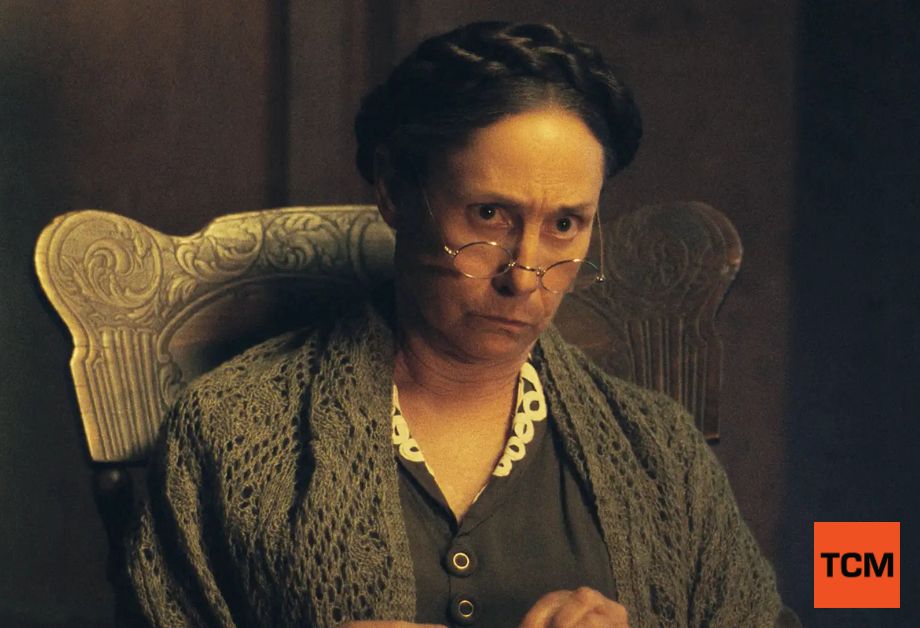
One of the most significant events in George Gein’s life was his marriage to Augusta Wilhelmine Lehrke in 1900.
The couple eventually welcomed two sons: Henry George Gein and Edward Theodore Gein. On paper, they appeared to be an ordinary Wisconsin family. However, later accounts suggest that their marriage was often strained and marked by deep differences in personality and worldview.
Augusta became known for her strict religious beliefs and conservative outlook. Numerous biographies describe her as highly controlling and deeply distrustful of many aspects of modern society. She reportedly believed that much of the world was morally corrupt and sought to shield her children from influences she considered harmful.
George, by contrast, is frequently portrayed as a less dominant presence within the household. Historical accounts often describe him as struggling with alcohol and having difficulty maintaining authority within the family. Whether every detail of these portrayals can be verified is difficult to determine, but the contrast between George and Augusta appears consistently across books, documentaries, and true-crime research.
The marriage created a household in which two very different personalities coexisted. This dynamic would later become a central topic for writers attempting to understand the Gein family’s history.
George Philip Gein’s Career and Working Life
George Gein spent much of his life working various occupations to support his family. Historical sources identify him as a carpenter, tanner, firefighter, and insurance salesman at different points in his career.
These changing occupations were not unusual during the early twentieth century. Economic opportunities could fluctuate significantly, particularly in smaller communities where workers often moved between trades depending on demand. Rather than following a single long-term profession, many laborers developed skills across multiple industries.
Several accounts also indicate that George operated or owned a grocery business before the family moved to Plainfield. The business reportedly failed to provide lasting financial security, contributing to ongoing economic challenges within the household.
Financial instability appears repeatedly throughout discussions of George’s life. While there is no evidence that the family lived in extreme poverty, many biographical sources suggest that maintaining consistent income was a recurring struggle. This reality likely influenced many of the decisions made by the family, including their eventual move away from La Crosse.
Although George never achieved professional prominence, understanding his work history helps provide a clearer picture of the environment in which the Gein children grew up. Economic uncertainty, changing jobs, and rural living were all part of the family’s everyday reality.
Why the Move to Plainfield Changed the Gein Family’s Life
One of the most important turning points in the Gein family story occurred when George and Augusta moved their family from La Crosse to a farm outside Plainfield, Wisconsin.
At first glance, the move may appear to be a simple relocation. In reality, it transformed the family’s social environment and had lasting consequences for the household.
Plainfield was a small rural community surrounded by farmland and open countryside. Compared with city life, opportunities for social interaction were significantly more limited. Residents often lived considerable distances apart, and daily life revolved around farming, local businesses, churches, and community events.
According to numerous biographical accounts, Augusta preferred this isolation. She reportedly wanted to distance her children from influences she considered immoral and believed that a rural setting would provide greater control over their upbringing.
The move had a profound effect on family life. Henry and Ed spent much of their youth in a relatively secluded environment where family relationships carried enormous importance. The farm became not only their home but also the center of their daily experiences.
Because the Plainfield property later became linked to Ed Gein’s crimes, historians frequently identify the relocation as one of the most significant developments in the family’s history. While the move alone cannot explain later events, it undoubtedly shaped the environment in which both sons matured.
Life on the Gein Family Farm
Life on the Gein farm differed significantly from life in larger Wisconsin communities.
Daily routines revolved around work, household responsibilities, and maintaining the property. The family’s relative isolation meant that interactions with the outside world were often limited compared to those of children raised in more populated areas.
George remained the official head of the household, but many historical accounts suggest that Augusta exercised greater influence over family life. Her strong religious convictions reportedly affected everything from social activities to the values she taught her sons.
The farm environment also reinforced the family’s dependence on one another. With fewer outside influences and limited opportunities for broader social engagement, family relationships became especially important. Researchers studying the Gein family often point to this isolation as one factor that distinguished their upbringing from that of many other families in the region.
At the same time, it is important not to exaggerate the significance of rural life alone. Thousands of families lived on isolated farms throughout Wisconsin without producing similar outcomes. Historians generally view the farm as one piece of a much larger family story rather than a simple explanation for later events.
George Philip Gein as a Father
George Gein’s role as a father remains one of the most discussed aspects of his life.
Historical sources indicate that he was the father of two sons, Henry and Ed, both of whom spent their childhood on the family farm. However, the extent of George’s influence on their development continues to be debated.
Many biographies portray George as struggling with alcoholism and describe him as less involved in shaping the family’s values than Augusta. Some accounts also suggest that he could be verbally or physically abusive. These claims appear frequently in true-crime literature, but it is important to recognize that much of the available information comes from retrospective sources rather than contemporary documentation.
What appears more consistently supported is the idea that George lacked the authority and influence that Augusta exercised within the household. While he remained an important parental figure, many researchers believe that Augusta played the dominant role in determining how the children were raised.
This distinction matters because it helps explain why discussions of Ed Gein’s upbringing often focus more heavily on Augusta than on George. Nevertheless, George’s presence, employment struggles, and reported personal problems were still part of the family environment that shaped daily life for both sons.
George Gein vs Augusta Gein: Who Had the Greater Influence on Ed Gein?
One of the most common questions raised by historians and true-crime researchers is whether George Gein or Augusta Gein had the greater influence on Ed Gein’s development.
Based on the available historical record, Augusta appears to have played the more dominant role. Nearly every major biography of Ed Gein describes her as a powerful presence within the household. She was deeply religious, highly controlling, and determined to shape her sons’ worldview according to her beliefs. Reports suggest that she frequently warned Henry and Ed about what she considered the moral dangers of the outside world and encouraged them to remain close to home.
George, by contrast, is generally portrayed as a less authoritative figure. Biographical accounts often describe him as struggling with alcoholism and financial instability, circumstances that may have reduced his influence within the family. While George certainly contributed to the household environment, there is considerably more documentation discussing Augusta’s impact on the children’s upbringing.
This distinction is important because many modern readers assume that George’s reported drinking problems automatically made him the primary influence on Ed’s later behavior. Historical evidence does not support such a simple conclusion. Researchers typically view the Gein family dynamic as a combination of multiple influences rather than the result of one parent alone.
The reality is that neither George nor Augusta can fully explain what happened decades later. Family relationships formed only one part of a much larger story that also included social isolation, personal experiences, psychological factors, and events that occurred long after George’s death.
The Relationship Between George and Ed Gein
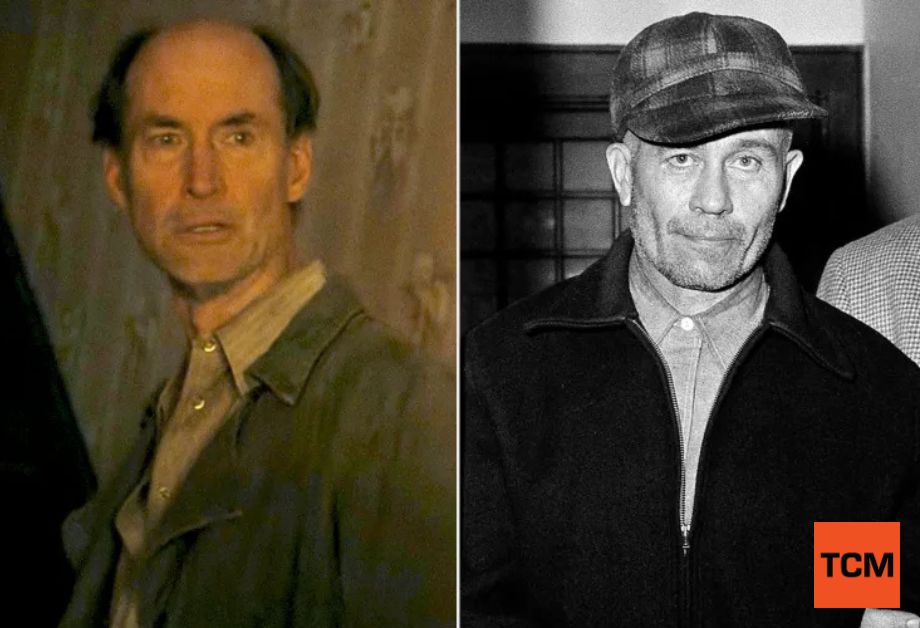
Although George Gein is frequently discussed in relation to Ed Gein, direct information about their personal relationship is surprisingly limited.
Unlike modern public figures who leave behind interviews, letters, photographs, and extensive records, George lived during a period when ordinary family interactions were rarely documented. As a result, much of what is known comes from later accounts written after Ed became infamous.
Most biographies suggest that George was not as emotionally influential in Ed’s life as Augusta was. The household appears to have been structured in a way that allowed Augusta’s beliefs and attitudes to shape family life more directly. This does not mean George was absent from his son’s life. He worked to support the family, lived with his children throughout their upbringing, and remained part of the household until his death in 1940.
Researchers generally avoid making strong claims about the exact nature of George and Ed’s relationship because the available evidence simply does not provide enough detail. What can be said with confidence is that George was part of the environment in which Ed was raised, even if his role appears less prominent than Augusta’s in historical accounts.
George Philip Gein Timeline
Understanding the major events of George Gein’s life helps place his story within a broader historical context.
| Year | Event |
|---|---|
| 1873 | George Philip Gein was born in Wisconsin. |
| 1900 | Married Augusta Wilhelmine Lehrke. |
| 1902 | Son Henry George Gein was born. |
| 1906 | Son Edward Theodore Gein was born. |
| Early 1900s | Worked various jobs in Wisconsin. |
| Around 1915 | Family relocated to a farm near Plainfield. |
| 1940 | Died from heart failure at age 66. |
| 1944 | Son Henry Gein died. |
| 1945 | Augusta Gein died. |
| 1957 | Ed Gein was arrested, bringing worldwide attention to the family. |
| 2025 | Netflix’s Monster: The Ed Gein Story renewed interest in George Gein. |
Although George did not live to witness the events that later made the Gein family famous, his life remains part of the historical timeline surrounding one of America’s most studied criminal cases.
George Philip Gein’s Final Years and Death
By the late 1930s, George Gein had spent decades working various jobs while helping support his family in rural Wisconsin. Historical records indicate that his health declined during the final years of his life.
On April 1, 1940, George died from heart failure at the age of 66. His death marked a major turning point for the Gein family. Beyond the personal loss, it changed the structure of the household in practical ways.
With George gone, greater responsibility fell on Henry and Ed. The brothers increasingly contributed through odd jobs and farm-related work to help support their mother. Augusta’s influence also became even more pronounced following her husband’s death.
Researchers often identify this period as significant because it altered family dynamics in lasting ways. George’s death removed one of the household’s key figures, leaving Augusta and her sons in a more isolated family unit during the years that followed.
What Happened to the Gein Family After George’s Death?
The years after George Gein’s death brought major changes to the family.
Henry and Ed remained on the farm with their mother and continued helping maintain the property. Despite living under the same roof, the brothers reportedly developed different perspectives on family life. Some accounts suggest that Henry became increasingly critical of Augusta’s influence over Ed.
The family experienced another tragedy in 1944 when Henry died under circumstances that remain debated among historians and true-crime researchers. His death left Ed and Augusta alone on the farm.
Only a year later, Augusta died following a series of health problems. Her death had a profound effect on Ed, who reportedly struggled to cope with the loss. Many biographers identify this period as a major turning point in his life.
Although George was no longer alive during these events, his absence remained part of the family’s evolving story. By the time Ed Gein became nationally known in the 1950s, every immediate member of his family had already passed away.
Verified Facts vs Common Claims About George Gein
One challenge when researching George Philip Gein is separating confirmed historical facts from claims that have been repeated over decades of true-crime storytelling.
The following facts are generally well documented through public records and historical sources:
- George Philip Gein was born on August 4, 1873.
- He married Augusta Wilhelmine Lehrke in 1900.
- He was the father of Henry and Ed Gein.
- The family lived in Wisconsin and later moved to Plainfield.
- He died on April 1, 1940.
- Heart failure is listed as his cause of death.
Other claims appear frequently in biographies but are supported primarily through secondary accounts rather than direct evidence. These include descriptions of George as an alcoholic, claims of abuse within the household, and assertions about his exact influence on Ed Gein’s psychological development.
That does not mean these claims are necessarily false. It simply means that the evidence supporting them is often less direct than the evidence supporting basic biographical facts. Responsible historical writing requires acknowledging that distinction.
How Netflix Renewed Interest in George Philip Gein
For many years, George Gein remained a relatively minor figure in discussions of the Gein family. Most books, documentaries, and television programs focused primarily on Ed Gein and Augusta Gein.
That changed when Netflix announced and released Monster: The Ed Gein Story. The series introduced millions of viewers to the broader Gein family and sparked new searches for information about relatives who had previously received limited attention.
George appears only briefly in the series, reflecting the reality that historical records concerning him are limited. Even so, the show’s popularity encouraged viewers to learn more about his life, his marriage to Augusta, and his role within the household.
This renewed interest demonstrates how modern media can bring attention to historical figures who might otherwise remain largely forgotten. While George Gein was never famous during his lifetime, public curiosity about the Gein family continues to keep his story relevant decades after his death.
Why Researchers Still Study George Gein Today
Researchers do not study George Gein because of public achievements, political influence, or professional accomplishments. Instead, they study him because family background remains an important part of understanding historical events.
The Gein case has been examined by historians, psychologists, criminologists, and true-crime writers for decades. In attempting to understand the environment in which Ed Gein was raised, scholars naturally examine the people closest to him during childhood.
George’s role within the family, his marriage to Augusta, his employment struggles, and his place within the household all contribute valuable context. Even though available information remains limited, those details help create a more complete picture of the Gein family’s history.
Most modern researchers caution against reducing complex criminal behavior to simple explanations. Rather than viewing George as the cause of later events, historians generally regard him as one piece of a much larger historical puzzle.
George Philip Gein’s Legacy
George Philip Gein never achieved public fame during his lifetime. He was a Wisconsin husband, father, and laborer who lived a largely private life. Yet his connection to the Gein family story has ensured that his name continues to be discussed more than eighty years after his death.
His legacy is tied not to personal accomplishments but to the historical significance of the family in which he lived. Researchers continue to examine his life because understanding the Gein household helps provide context for one of the most infamous criminal cases in American history.
At the same time, George’s story serves as a reminder of the limits of historical knowledge. While some aspects of his life are well documented, many details remain unknown. As a result, responsible accounts must distinguish clearly between verified facts and later interpretations.
Today, George Gein remains a figure of interest not because of what he did publicly, but because of the role he played within a family that became the subject of enduring public fascination.
Conclusion
George Philip Gein lived a largely private life as a Wisconsin husband, father, and working man during the late nineteenth and early twentieth centuries. Although historical records about him are limited, the available evidence shows that he played an important role within the Gein family long before the name became associated with one of America’s most notorious criminal cases.
His marriage to Augusta Gein, life on the Plainfield farm, and position as the father of Henry and Ed Gein continue to attract attention from researchers and true-crime audiences alike. While much of the public focus remains on his son, George’s story provides valuable context for understanding the family history behind a case that still fascinates people decades later.
Frequently Asked Questions About George Philip Gein
Who was George Philip Gein?
George Philip Gein was the father of Ed Gein and the husband of Augusta Gein. He lived and worked in Wisconsin and died in 1940.
What did George Philip Gein do for a living?
Historical sources identify him as a carpenter, tanner, firefighter, insurance salesman, and grocery store operator at different points in his life.
Was George Gein married?
Yes. He married Augusta Wilhelmine Lehrke in 1900, and the couple had two sons, Henry and Ed Gein.
How did George Philip Gein die?
George Gein died from heart failure on April 1, 1940, at the age of 66.
Did George Gein have a strong influence on Ed Gein?
Most historical accounts suggest that Augusta Gein had the greater influence on Ed’s upbringing, although George remained an important part of the family environment.
Why is George Philip Gein still discussed today?
He is discussed because of his connection to Ed Gein, ongoing true-crime interest, and renewed attention generated by modern documentaries and television adaptations.
